What is Pulsamento?
Pulsamento is a term that may sound unfamiliar at first, but at its core, it relates to the idea of rhythm, pulse, and continuous movement. Derived from concepts tied to “pulsing” or rhythmic motion, pulsamento can be understood as the natural flow of energy that drives actions, emotions, and even creative expression. Whether we are talking about music, physical movement, or internal energy, pulsamento represents the underlying beat that keeps everything in motion.
In a broader sense, pulsamento goes beyond just a physical pulse. It reflects a dynamic pattern—something that rises and falls, expands and contracts, and evolves over time. Think about the rhythm of your breathing, the beating of your heart, or even the cadence of your daily routine. All of these are examples of pulsamento in action. It is not static; it is alive, constantly shifting and adapting.
What makes pulsamento particularly interesting is how it connects different aspects of life. From art and music to biology and psychology, this concept appears in multiple disciplines. It acts as a bridge between structure and spontaneity, offering both stability and flexibility. Understanding pulsamento allows us to better appreciate the natural rhythms that influence how we think, feel, and act.
The Role of Pulsamento in Music and Art
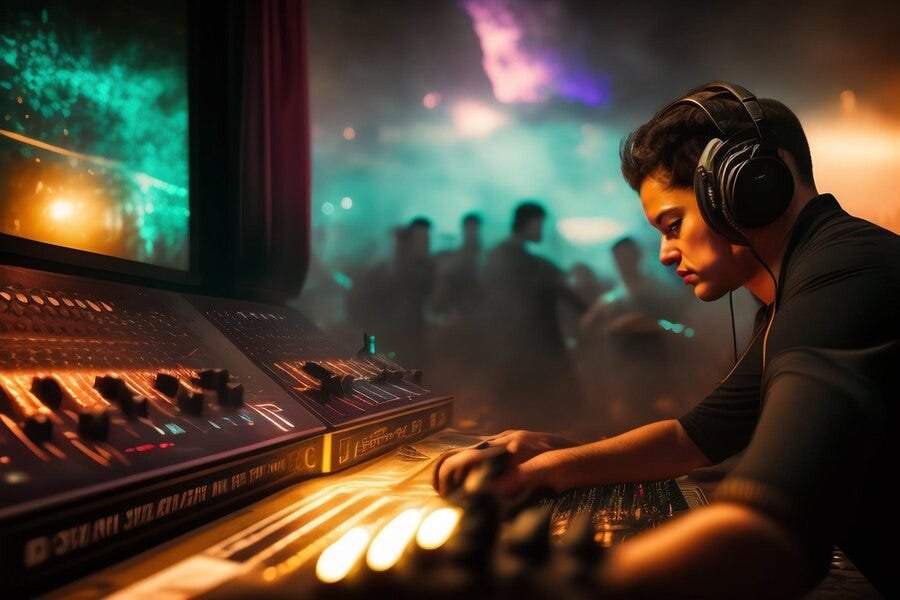
In music, pulsamento is closely related to rhythm and tempo, but it goes deeper than just keeping time. It’s about the feeling behind the beat—the subtle push and pull that gives music its emotional character. Musicians often rely on this concept to create flow, tension, and release within a composition. Without pulsamento, music would feel mechanical and lifeless.
Artists, too, experience pulsamento in their creative process. When a painter works on a canvas or a writer crafts a story, there is a natural rhythm guiding their decisions. This rhythm might not be obvious, but it influences how ideas develop and how the final piece comes together. Pulsamento becomes the invisible force that shapes creativity, helping artists maintain momentum while allowing room for inspiration.
Another fascinating aspect is how audiences respond to pulsamento in art. Whether it’s a song that makes you tap your foot or a film that keeps you emotionally engaged, the rhythm embedded in the work plays a crucial role. It creates a connection between the creator and the observer, making the experience more immersive and memorable. In this way, pulsamento is not just something artists use—it’s something we all feel.
Pulsamento in the Human Body and Mind

The human body is perhaps the most direct example of pulsamento. Our heartbeat is a literal pulse, maintaining life by circulating blood and oxygen. Similarly, our breathing follows a rhythmic pattern that adjusts based on activity and emotion. These biological rhythms are essential, and any disruption can significantly affect our well-being.
Beyond the physical level, pulsamento also exists in our mental and emotional states. Have you ever noticed how your energy levels rise and fall throughout the day? Or how your mood can shift in cycles? These patterns are forms of pulsamento within the mind. Recognizing them can help us manage stress, improve productivity, and maintain balance in our lives.
What’s particularly powerful is how we can consciously influence our internal pulsamento. Practices like meditation, exercise, and controlled breathing allow us to regulate our rhythms. By doing so, we can create a sense of harmony between the body and mind. This alignment not only enhances performance but also promotes overall health and resilience.
The Importance of Pulsamento in Daily Life
Pulsamento is not limited to artistic or biological contexts—it plays a significant role in our everyday routines. From the way we structure our workday to how we interact with others, rhythm influences our behavior more than we realize. Having a consistent daily rhythm can improve efficiency and reduce decision fatigue.
For example, establishing a morning routine creates a steady starting point for the day. Similarly, taking regular breaks during work helps maintain mental clarity and prevents burnout. These patterns are forms of pulsamento that support productivity and well-being. When our daily rhythm is balanced, we feel more in control and less overwhelmed.
On the flip side, a lack of rhythm can lead to chaos and stress. Irregular sleep schedules, inconsistent habits, and constant interruptions disrupt our natural pulsamento. Over time, this can affect both physical health and emotional stability. By paying attention to our routines and making small adjustments, we can restore a sense of flow and balance.
How to Harness Pulsamento for Personal Growth
Understanding pulsamento is one thing, but applying it effectively is where the real value lies. One of the first steps is becoming aware of your natural rhythms. Pay attention to when you feel most energetic, focused, or creative. These patterns can guide how you structure your day for maximum efficiency.
Another important aspect is flexibility. While routines are helpful, it’s equally important to adapt when needed. Pulsamento is not about rigid schedules; it’s about maintaining a flow that can adjust to changing circumstances. This balance between consistency and adaptability is key to long-term success.
You can also use pulsamento as a tool for self-improvement. For instance, incorporating rhythmic activities like exercise, music, or even journaling can enhance your overall well-being. These practices reinforce positive patterns and help you stay connected to your internal rhythm. Over time, this awareness leads to better decision-making and a more fulfilling life.
The Future of Pulsamento in Modern Lifestyles
As technology continues to shape our lives, the concept of pulsamento becomes even more relevant. With constant notifications, fast-paced environments, and increasing demands, it’s easy to lose touch with our natural rhythms. This makes it essential to consciously create balance and maintain a sense of flow.
Interestingly, many modern trends are already embracing pulsamento. From mindfulness practices to wearable technology that tracks heart rate and sleep patterns, there is a growing focus on understanding and optimizing personal rhythms. These tools provide valuable insights, helping individuals align their lifestyles with their natural pulsamento.
Looking ahead, the integration of pulsamento into daily life could lead to more sustainable and balanced living. By prioritizing rhythm and flow, we can reduce stress, improve productivity, and enhance overall well-being. It’s not about slowing down completely—it’s about moving in a way that feels natural and sustainable.
Final Thoughts on Pulsamento
Pulsamento is more than just a concept—it’s a fundamental aspect of how life operates. From the rhythms of music and art to the biological patterns within our bodies, it influences every part of our existence. By understanding and embracing this idea, we can create a more balanced and harmonious life.
What makes pulsamento truly powerful is its universality. It applies to everyone, regardless of profession, lifestyle, or background. Whether you’re an artist, a professional, or simply someone looking to improve your daily routine, recognizing the importance of rhythm can make a significant difference.
In the end, pulsamento reminds us that life is not meant to be static. It’s about movement, flow, and continuous evolution. By tuning into our natural rhythms and aligning our actions accordingly, we can unlock greater potential and live with more intention and clarity.